Farmsoft quality control
Bean quality inspection app
Snap and green bean QC for packers and processors: pod size, straightness, seed development, colour and defects scored per lot, with chilling-injury and temperature checks.
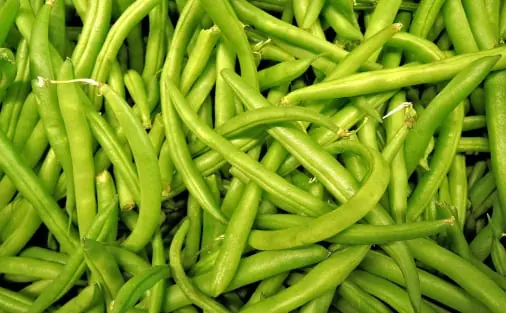
AI assisted defect scoring from photos
Live results visible to office, sales and suppliers
PDF QC report e-mailed automatically
100% of inspections linked to lot traceability
Bean quality checks
| Test | Measured as |
|---|---|
| Pod length | cm, sample of 25 pods |
| Pod diameter | mm sieve size |
| Seed development | bulging seeds per sample |
| Snap test | crisp / limp |
| Colour | uniform green score |
| Temperature | pulp °C |
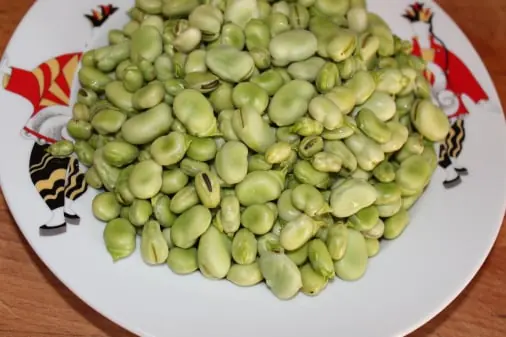
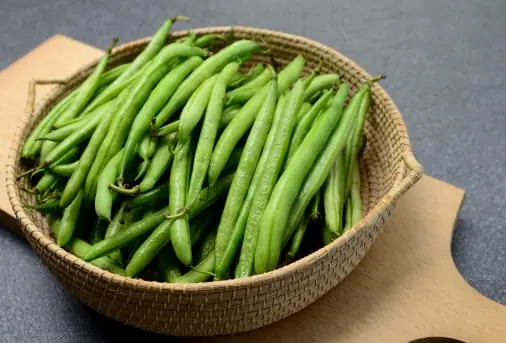
Bean defects to score
- Russeting and pitting from chilling
- Broken or misshapen pods
- Rust and anthracnose spots
- Over-mature, stringy pods
- White mould (Sclerotinia)
- Dehydration
Standards: USDA U.S. Standards for Grades of Snap Beans; UNECE FFV-06.
Storage conditions
| Temperature | 4–7 °C |
|---|---|
| Relative humidity | 95 % |
| Typical storage / shelf life | 7–10 days; chilling injury below about 4 °C |
Typical commercial ranges; confirm against your variety and customer spec.
QC at every stage
- Incoming / receivalCheck every supplier delivery before it is accepted; reject or downgrade with photos.
- Pre-packConfirm the lot meets the pack spec before it goes on the line.
- Post-packSample finished cartons for weight, grade, label and defects.
- StorageRe-inspect lots held in cool or controlled-atmosphere storage.
- Pre-shippingFinal check on the pallet; the report travels with the shipment.
- Customer claimsLink a claim to the original inspection, photos and temperatures.
How Producepak runs bean QC
- Inspection templates per crop, customer and stage – your own tests, limits and scoring
- Photos on every sample, with AI-assisted defect detection
- Pass, downgrade or reject with automatic e-mail to the supplier or customer
- Results linked to the lot, pallet, PO and invoice for traceability
- Supplier and grower quality scorecards over time
- Works on phones and tablets in the packhouse, cool room and field
Related
Questions
What does a bean quality inspection check?
Pod length, Pod diameter, Seed development, Snap test, Colour, Temperature. Each test has its own limits and scoring, set per customer and pack.
What are the most common bean defects?
Russeting and pitting from chilling, Broken or misshapen pods, Rust and anthracnose spots, Over-mature, stringy pods, White mould (Sclerotinia), Dehydration.
What temperature should bean be stored at?
4–7 °C at 95 % relative humidity; 7–10 days; chilling injury below about 4 °C.
Which standards apply?
USDA U.S. Standards for Grades of Snap Beans; UNECE FFV-06.
Can suppliers see the result?
Yes. The inspection report, with photos, can be e-mailed to the grower or supplier automatically when the inspection is completed.
Sources and further reading
- postharvest.ucdavis.edu – produce facts sheets
- freshproduce.com – commercial storage of fruits vegetables and floral
- ams.usda.gov – vegetables
- unece.org – FFV Standards
- hort.purdue.edu
- members.wto.org
- mdpi.com – research article
- drwakefield.com – quality control
- sciencedirect.com – green beans
- core.ac.uk
- journals.ashs.org – article p1238
- researchgate.net – 273204659 Quality Attributes Limiting Snap Bean Phaseolus vulgaris L Pos