Farmsoft quality control
Avocado quality inspection app
Avocado QC for packers, ripeners and importers: dry matter, firmness, skin and flesh defects, ripening stage and shelf-life checks recorded per lot with photos and supplier reports.
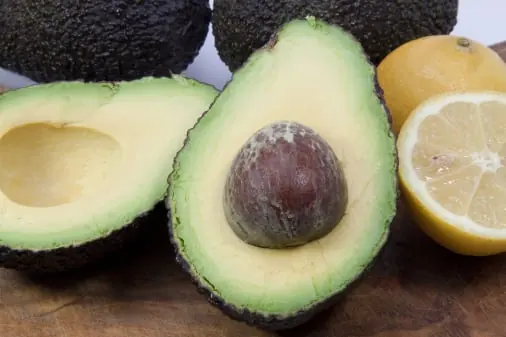
AI assisted defect scoring from photos
Live results visible to office, sales and suppliers
PDF QC report e-mailed automatically
100% of inspections linked to lot traceability
Avocado quality checks
| Test | Measured as |
|---|---|
| Dry matter | % DM by oven or NIR – California minimum for Hass is 20.8 %, Australian industry minimum 23 % |
| Firmness | penetrometer N, or hand-firmness score 0–6 |
| Skin colour | ripening stage for Hass |
| Size / count | g per fruit and count per tray |
| Flesh defects | cut sample: bruising, vascular browning, rots |
| Pulp temperature | °C at receival and dispatch |
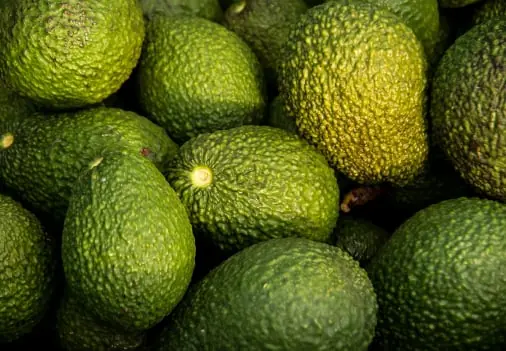
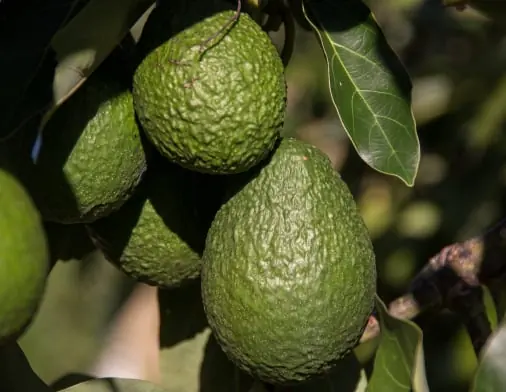
Avocado defects to score
- Body rots (anthracnose)
- Stem-end rot
- Chilling injury – grey flesh and pitting
- Bruising
- Lenticel damage
- Sunburn and wind scar
Standards: Hass Avocado Board quality manual; Avocados Australia supply-chain quality guide.
Storage conditions
| Temperature | 5–7 °C (mature-green Hass); 2–4 °C once ripe |
|---|---|
| Relative humidity | 85–90 % |
| Typical storage / shelf life | 2–4 weeks depending on maturity |
Typical commercial ranges; confirm against your variety and customer spec.
QC at every stage
- Incoming / receivalCheck every supplier delivery before it is accepted; reject or downgrade with photos.
- Pre-packConfirm the lot meets the pack spec before it goes on the line.
- Post-packSample finished cartons for weight, grade, label and defects.
- StorageRe-inspect lots held in cool or controlled-atmosphere storage.
- Pre-shippingFinal check on the pallet; the report travels with the shipment.
- Customer claimsLink a claim to the original inspection, photos and temperatures.
How Producepak runs avocado QC
- Inspection templates per crop, customer and stage – your own tests, limits and scoring
- Photos on every sample, with AI-assisted defect detection
- Pass, downgrade or reject with automatic e-mail to the supplier or customer
- Results linked to the lot, pallet, PO and invoice for traceability
- Supplier and grower quality scorecards over time
- Works on phones and tablets in the packhouse, cool room and field
Related
Questions
What does an avocado quality inspection check?
Dry matter, Firmness, Skin colour, Size / count, Flesh defects, Pulp temperature. Each test has its own limits and scoring, set per customer and pack.
What are the most common avocado defects?
Body rots (anthracnose), Stem-end rot, Chilling injury – grey flesh and pitting, Bruising, Lenticel damage, Sunburn and wind scar.
What temperature should avocado be stored at?
5–7 °C (mature-green Hass); 2–4 °C once ripe at 85–90 % relative humidity; 2–4 weeks depending on maturity.
Which standards apply?
Hass Avocado Board quality manual; Avocados Australia supply-chain quality guide.
Can suppliers see the result?
Yes. The inspection report, with photos, can be e-mailed to the grower or supplier automatically when the inspection is completed.
Sources and further reading
- postharvest.ucdavis.edu – produce facts sheets
- freshproduce.com – commercial storage of fruits vegetables and floral
- tandfonline.com – research article
- mpi.govt.nz – 33597 AvoVantage managing avocado quality
- hassavocadoboard.com – Hass Avocado Board Quality Manual
- avocado.org.au – Guide for Supply Chain Quality Managers webpdf 30062018 v1
- felixinstruments.com – improving avocado quality
- avocadosource.com – SAAGA 1998 PG 039 047