Fresh produce quality control
Quality control pays when every inspector measures the same things the same way – and when results reach buyers, sellers and line managers immediately.
Key points
- Templates per crop and stage: intake, in-process, finished goods, arrival.
- Photos and measurements end price arguments with suppliers.
- Alerts trigger corrective action during the shift.
- AI-assisted inspection speeds up counting and grading.
Why consistency matters
Inconsistent QC causes the arguments it is meant to prevent: suppliers dispute downgrades, customers dispute claims, and packout varies by inspector. Fixed templates, sample sizes and thresholds make results comparable across shifts and sites.
What to record
- Measurements: size, weight, firmness, Brix, dry matter, temperature.
- Defects by type and severity, as counts or percentages.
- Photos attached to the inspection.
- Decision: accept, downgrade, reject, hold – with corrective action.
Processing and IQF
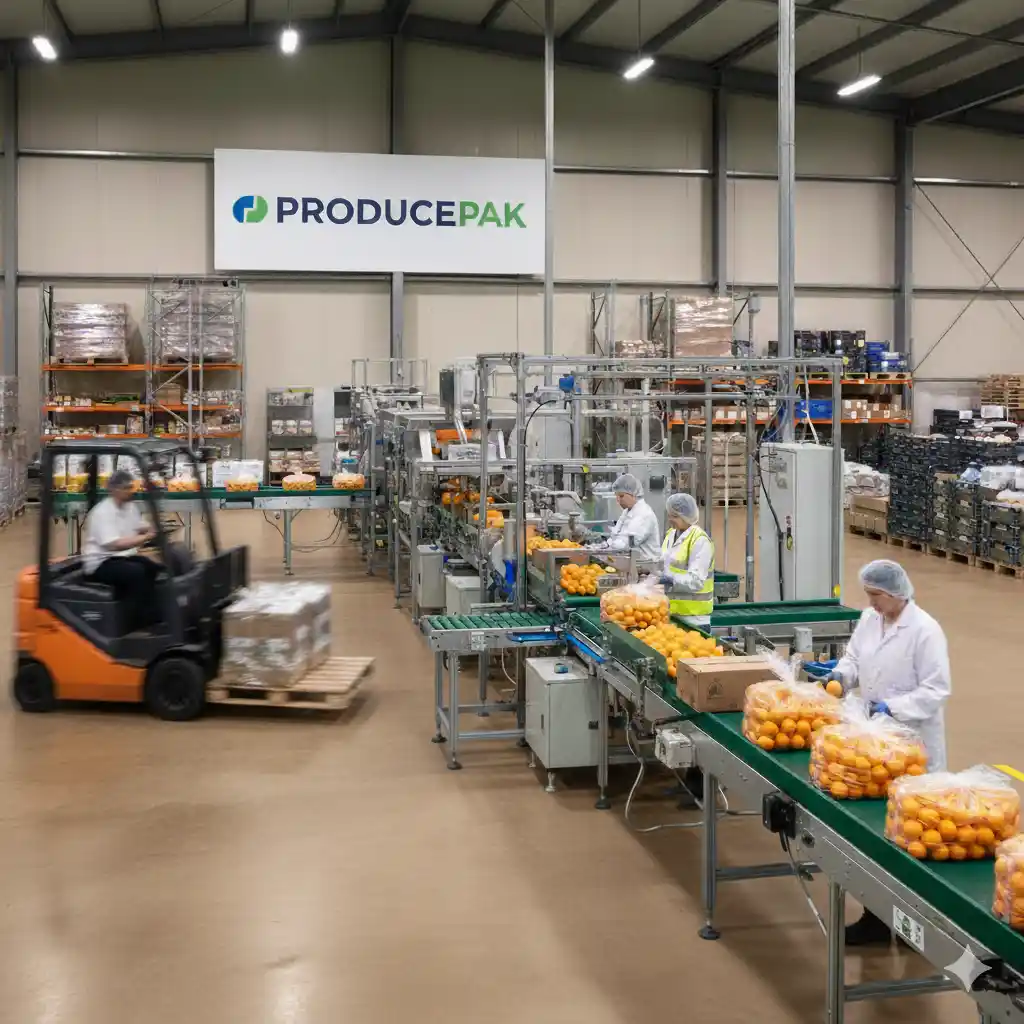
In processing, QC follows the product through washing, cutting, blanching and freezing. Individually quick frozen (IQF) products need checks on piece separation, ice glaze and temperature, recorded against the batch.
AI-assisted inspection
AI can count and classify defects from photos, speeding up inspections – for example on table grapes – and reducing subjective calls.
Crop guides and tools
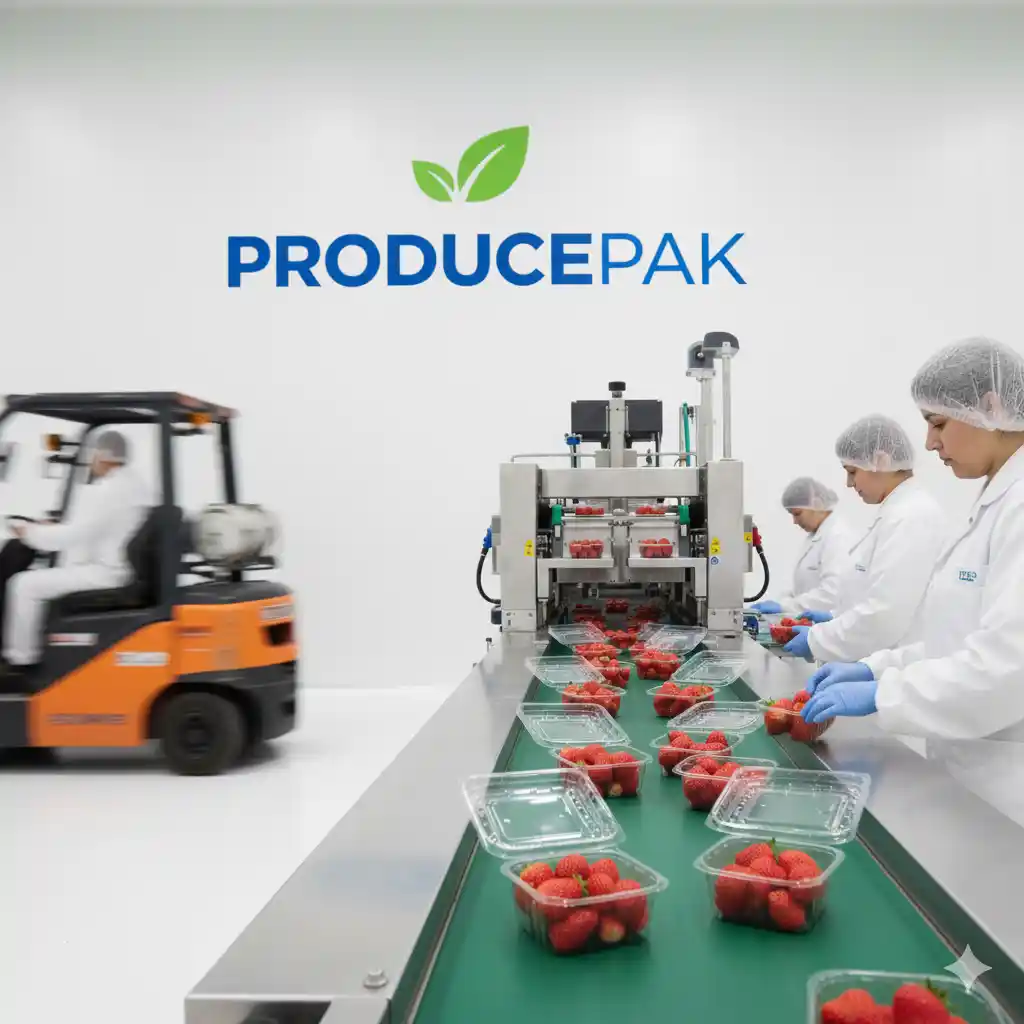
Crop-specific QC apps: grape, tomato and fresh-cut; all crops on the quality control hub. QC is fully integrated in Producepak.
Frequently asked questions
How many samples should a QC inspection take?
Follow the buyer's specification or the applicable standard (for example UNECE or USDA grade standards). Keep sample size fixed per product so results are comparable.
Can QC results be shared with customers?
Yes. Inspection reports with photos can be sent with the shipment or on request.